Llegué al aeropuerto de Tijuana una fría mañana a finales de 1977. Había decidido cruzar ilegalmente la frontera de Estados Unidos. No tenía ni una pizca de miedo. Me sentía listo y capaz y estaba contento de hacerlo. Sabía que era el momento perfecto para hacerlo, excepto por una cosa: mi esposa estaba embarazada de siete meses de nuestro primer hijo. Tenía el presentimiento de que sería una niña. Incluso ya había escogido su nombre: Michelle.
Nunca había estado en esta ciudad. Los policías del aeropuerto me preguntaron qué hacía en su ciudad. Les dije que era turista. Supongo que les hacen la misma pregunta a todos los jóvenes que no son de la ciudad porque creen que intentarán cruzar la frontera ilegalmente. Me sentí un poco ofendido. Al fin y al cabo, soy mexicano. Podía viajar a cualquier parte de México. Quería responder: “No es asunto suyo”, pero sabía que no debía hacerlo.
Alquilé una habitación en un hotel de segunda categoría cerca del centro. Había docenas de bares por todas partes: de striptease, de salas de baile y de discotecas. Un billar me llamó la atención. Pensé que era el lugar perfecto para encontrar un ‘coyote’ (guía). Me sentí seguro al entrar porque había pasado mucho tiempo en sitios como ese. Estoy seguro de que, de alguna manera, pueden oler mis intenciones. Puede que sea por mi aspecto o por mi comportamiento, pero en menos de diez minutos alguien me preguntó si necesitaba ayuda para cruzar la frontera.
“Sí, voy a Los Ángeles. ¿Cuánto cobras?” Parecía tan joven como yo, de unos veinticinco años. Parecía desconfiado y no dejaba de mirar a su alrededor.
“Doscientos cincuenta dólares”, respondió.
“De acuerdo, ¿cuándo salimos? Estoy listo en cualquier momento.”
Llevaba meses planeando este viaje. Incluso intenté obtener una visa de turista, pero me rechazaron la solicitud. Las personas del consulado estadounidense deben estar muy bien entrenadas, ya que adivinaron con precisión mis intenciones.
“¿Llevas equipaje?”, me preguntó el reclutador.
“Sí, en mi hotel.” Soné como un turista con esa respuesta.
“Ve a buscarlas. Te espero aquí; date prisa.” Dentro de la maleta llevaba cuatro mudas de mi mejor ropa y un bonito par de botas italianas. (imitación, supongo) Cuando volví, mi nuevo ‘amigo’ me dijo que debíamos llevar mi maleta a un edificio de apartamentos cercano.
Allí ya tenían más de una docena de maletas y cajas. Mi nuevo amigo, el reclutador, me dijo que al día siguiente llevarían las maletas a Los Ángeles. Quedamos de vernos en la estación de autobuses a las ocho de la noche; desde allí tomaríamos un autobús a Tecate, un pequeño pueblo a pocos kilómetros.
Volví al hotel, confundido y arrepentido de lo que acababa de hacer. Había dejado todas mis pertenencias con un desconocido. Me sentía como un tonto, como si hubiera regalado mis cosas. Pensé que debía haber otra manera y sé que la hay. Se llama pasaporte o visa. En mi caso, tengo que aceptar lo que me ofrezcan. Mi precaria situación no me permite otras opciones.
Antes de tomar esta decisión drástica, trabajé en un banco durante seis años en Torreón. Era un trabajo decente, envidiado por muchos. Me había casado recientemente y mi mujer estaba embarazada de nuestro primer hijo. Algunos amigos no podían creer que quisiera dejar un trabajo semejante. El futuro incierto me llevó a tomar esta decisión. Algunos compañeros de trabajo ni siquiera tenían casa propia después de 15 años de leal servicio. El trabajo estaba bien, pero solo era adecuado para empleados jóvenes y solteros. Se necesitan muchos años para ascender y ganar un mejor salario.
Cuando llegué a la estación de autobuses, el coyote o guía había reunido a una docena más de personas. El autobús estaba abarrotado y había gente de pie en el pasillo central. Mi única preocupación era no perder de vista a mi ‘coyote’. Tenía que asegurarme de no perderlo; él era mi única conexión con mi maleta y con mi destino.
Después de media hora de viaje, el conductor del autobús se detuvo y mucha gente se bajó. El área donde se bajaron estaba completamente oscura. Solo se veía el contorno de las montañas cercanas. No sabía adónde iban esas personas, pero no me importaba. Mi guía seguía a bordo.
En la estación de autobuses de Tecate, seguí a mi guía. Me invadió una extraña sensación al verlo alejarse solo. Dudé un segundo, pero luego volví al autobús. Para entonces, el resto de los pasajeros había bajado y se había dispersado. Todos se fueron por caminos diferentes. Entré en pánico y volví al lugar donde había visto por última vez a mi ‘conexión’, pero no lo veía por ninguna parte.
Me di cuenta demasiado tarde de que debía haberme ido con todos los que se habían bajado en la oscuridad. Me sentí estúpido y perdido.
Tuve la suerte de encontrar una fila de taxis frente a la plaza, a menos de una manzana. Le conté mi historia al conductor y le pedí que me llevara a ese lugar oscuro en la montaña. Me sentía nervioso durante el trayecto porque recordé que no tenía dinero en efectivo. Tenía un cheque bancario por valor de 850 dólares, pero en un lugar oscuro como aquel, era un papel inservible. Encontré el lugar unos minutos más tarde, o eso creía.
Parecía más oscuro y aterrador que antes. Aunque fuera el lugar correcto, me llevaban al menos una hora de ventaja. El taxista me dijo: “Yo no me atrevería si fuera usted. No tienes ninguna posibilidad de encontrarlos.”
Un consejo sabio y amable de una persona a la que estaba a punto de estafar (no porque quisiera) en el camino de vuelta, y con los dedos cruzados, comencé a explicarle mi dilema con el dinero. Le mostré el cheque bancario. Le ofrecí mi suéter, que llevaba puesto, como garantía hasta que pudiera cobrar el cheque por la mañana. Me sentí aliviado cuando aceptó, porque había otros tres taxistas a su lado.
No me importaba el suéter; sabía que valía más que la tarifa del taxi, pero mis problemas no habían terminado. No podía volver a Tijuana porque los autobuses habían dejado de funcionar por la noche. Además, tenía que resolver el problema del dinero y, para colmo, no tenía dónde dormir y cada minuto que pasaba hacía más frío.
No habían pasado ni diez minutos y ya echaba de menos mi suéter. Ya casi era medianoche y el frío me impedía pensar. Lo único que tenía para cambiar era mi reloj. Un Citizen que había comprado en tiempos mejores. Los últimos acontecimientos habían puesto mi pesimismo en primer plano.
En poco tiempo, había perdido mi maleta, mi coyote y mi orgullo. Creía que yo era más listo que eso.
Entonces fui a buscar un lugar donde pasar la noche; cualquier motel barato serviría. El que encontré era probablemente el peor de la ciudad. Era oscuro, sucio y feo. El gerente parecía una persona amargada y hosca, pero cualquiera lo estaría trabajando en un lugar como ese. Le expliqué mi situación extrema y desesperada y le mostré mi cheque y mi reloj, pero no aceptó. Le dije que le pagaría en efectivo cuando abrieran los bancos por la mañana. El viejo testarudo no quiso aceptar mi proposición hasta que un joven que estaba detrás de él le dijo: “Vamos, papá, déjalo quedarse, no pasa nada”.
No era el Hilton, pero estaba cansado, sediento y hambriento, sobre todo cansado. Por la mañana, cobré el cheque y compré otro por un importe menor. Volví y recuperé mi reloj. Luego fui a buscar al taxista, recuperé mi suéter y tomé un autobús de vuelta a Tijuana con la esperanza de encontrar mi maleta y mis botas italianas. Y me prometí a mí mismo que nunca volvería a perderme.
Cuando regresé a Tijuana, me registré en el mismo hotel. Cuando el empleado me preguntó, “¿Esta vez sin maleta, amigo?” me sentí triste y derrotado.
Inmediatamente salí a buscar mi equipaje.
Llamé a la puerta del apartamento donde había dejado la maleta y me abrió una mujer. Mirando por encima de su hombro, vi que todas las maletas seguían allí.
Le conté lo que había pasado y ella me dijo: “No creo que así se hagan las cosas aquí. Tengo instrucciones de llevar todas estas maletas a Los Ángeles.”
“No me importa lo que pienses. Esa es mi maleta y yo sé lo que hay dentro. Me la voy a llevar y no quiero problemas.” Entonces la señora dijo: “Está bien.”
Hasta ese momento, había perdido un día, malgastado dinero y me había extraviado. Las cosas no me salían bien. Estaba nervioso y desesperado, pero la situación tenía solución. Había vuelto al punto de partida. A empezar de nuevo. Regresaré a mi lugar favorito de Tijuana, el billar.
Parece que llevo un cartel colgado al cuello, porque no habían pasado ni quince minutos cuando un tipo se me acercó y me preguntó: “¿Buscas un coyote?”
“Sí, 250 dólares, ¿verdad?”
“No, son 300 dólares,” me respondió.
“Pero ayer eran 250”, respondí, sin poder creer cómo la inflación se dispara tan rápido en la frontera.
“Eso era ayer, amigo. ¿Te interesa?”
“Sí, está bien.”
“¿Tienes maletas?”
Fuimos a un edificio de apartamentos cercano y, para mi sorpresa, era el mismo piso y la misma mujer que antes. Esta vez no me sentí como un idiota. Entonces, el coyote me dijo que nos reuniéramos afuera de los billares a las 5:30 de la mañana.
Salir y divertirme era tentador, pero estaba inquieto y sabía que solo pensaría en el viaje del día siguiente. Decidí descansar un poco. Mala suerte, porque en cuanto me acosté, oí ruidos. Camas golpeando contra las paredes, conversaciones sexuales habituales, como ‘Sí, sí, dame más’, ‘Oh, cariño, la tienes tan grande’. Y cosas así. Eso pasó toda la noche.
A primera hora de la mañana, me alegré de ver a mi coyote esperándome. Aunque intenté no mostrar lo contento que estoy de verlo.
“Hola”, le digo con naturalidad.
“¿Has comido algo?”
“No”, respondí.
“¿Ves ese camión de comida al otro lado de la calle? Ve a comprar la torta de pollo más grande y un galón de agua.”
“Pero no tengo hambre. Además, no me gustan las tortas de pollo.”
“¡Ve a comprarla, cabrón! Ya me lo agradecerás más tarde.”
Luego fuimos al apartamento donde guardaban las maletas y nos reunimos con una docena más de personas, entre ellas otro traficante, que podría ser el jefe. Nos dijeron que tomaríamos el autobús hasta las afueras de la ciudad.
Mientras atravesábamos la ciudad, llegué a la conclusión de que Tijuana debe estar entre las diez ciudades más feas de México. He decidido no volver a perderme, así que camino junto a mi guía y le pregunto su nombre; él responde: “No tenemos nombres.”
Ya no veo ninguna casa y nos dirigimos hacia las montañas. Aunque hace sol, sigue haciendo frío. Al amanecer, empezamos a caminar durante unas dos horas hasta llegar a las montañas. Nos dicen que debemos esperar allí hasta que llegue el momento adecuado. Me alegro de haber traído mis lentes de sol, otro lujo inútil. (Pagué quinientos pesos, el equivalente a cien dólares), que es el salario de tres días de un trabajador urbano decente.
Todos nos dispersamos bajo los árboles o los arbustos para escondernos de los agentes de inmigración o ‘la migra’. No puedo creer lo rápido que se duerme la mayoría del grupo en un momento como este. Aún estamos del lado mexicano, pero supongo que todos tenemos que estar alertas. Debemos ser capaces de escapar de la migra en cualquier momento. Bueno, yo también me tumbo en el suelo. Cierro los ojos y me pongo mis lentes de sol. A mi lado tengo mi galón de agua y mi torta de pollo. Parece un día en la playa.
Estoy casi en la cima de la colina. Puedo ver el valle abajo. Al otro lado del valle, frente a mí, veo una carretera que bordea la montaña y unos cuantos vehículos de la patrulla fronteriza. Vans y camionetas verdes que levantan polvo a su paso. Estoy seguro de que no pueden verme.
“¡Eh, idiotas, aquí! ¡Ja, ja! Estoy invadiendo su país, como ustedes dicen. O recuperándolo, como decimos nosotros.” Sonrío mientras sigo pensando tonterías.
También empiezo a pensar en esta región árida y escarpada, con sus árboles y sus hojas secas y pálidas cubiertas de tierra. No se ve ni una sola flor, solo hierbas altas y descoloridas, nada agradable a la vista. Dios se ha olvidado de esta zona. Se lleva sus nubes y su lluvia a otro lugar. Estoy seguro de que algunas personas encuentran belleza incluso en esta fealdad.
Me pregunto si los animales ven barreras o fronteras invisibles. Si el águila sabe que esto es México, si los pájaros cantan en español, si la serpiente preñada cruza la frontera invisible porque quiere tener crías estadounidenses. Y me consuelo pensando que Dios me quiere. Prefiere estar aquí conmigo que con mil ratas de iglesia. Y sigo pensando tonterías.
Para colmo, me quedé dormido y cuando abrí los ojos, miré a mi alrededor y no vi a nadie. Me levanté y me entró el pánico. Otra vez. Que pendejo, que idiota. La volviste a cagar, Mundito. ¡Estás perdido! Sé que solo quedan unos minutos de luz antes de que se haga completamente de noche.
No recuerdo haber tenido tanto miedo en mi vida. Sé que no voy a morir, pero en este momento me odio a mí mismo. Estoy temblando y a punto de gritar. Entonces, apenas percibo una fila de personas en la distancia, muy lejos. Deben de estar a unos 200 metros, allá abajo en el valle. Sabía que en un par de minutos ya no podría verlos. Estaba seguro.
Inmediatamente, empecé a correr como un loco. Mi vida se desvanecía con la última persona de esa fila. Seguí corriendo y corriendo, y de repente me detuve. ¡Mierda! Se me habían quedado mis lentes de sol, mi botella de agua y mi deliciosa torta de pollo.
Me volví para ver el árbol donde me había quedado dormido y miré hacia el otro lado para ver al resto del grupo. Dudé solo una fracción de segundo y luego seguí corriendo hacia mi coyote sin nombre y hacia mi hermoso grupo. Los alcancé después de unos minutos y, debo admitirlo, corría más rápido que nunca.
Me prometí a mí mismo no volver a perderme (otra vez) ni a hacerme el listo. Tengo que actuar, pensar y hacer lo que haga mi grupo. Y coger a mi coyote de la mano.
Ya es de noche. La luna se ve preciosa allá arriba. Empiezan a aparecer un millón de estrellas. Retiro lo que había dicho antes: Dios también debe de estar por aquí.Se nota que va a ser una noche fría. Llevo una camiseta debajo de una camisa de manga larga, de un suéter y de una chamarra. Sin embargo, después de caminar un par de horas, empecé a sudar y me quité la chamarra, el suéter y la camisa. Y cuando nos paramos a descansar, todo vuelve a su sitio. Una cosa tras otra. Después de un breve descanso, caminamos al menos dos horas más.
Tengo sed; estoy cansado y hambriento, pero, sobre todo, tengo sed. Algunas personas ya se habían quedado sin agua y otras empezaron a beber de los abrevaderos de las vacas. Yo no voy a hacer eso. Perdón, pero yo no.
Pasan unas horas más y ya no puedo resistir la sed, así que empiezo a beber un líquido que sale de una tubería sospechosa. Está oscuro y no veo nada. No huele ni sabe a nada, así que debe de ser agua.
El guía sin nombre dice que alguien vendrá a recogernos en un vehículo dentro de unas horas y que podemos descansar un rato. Estamos como a cien metros de la carretera, tumbados en la arena, y ahora hace más frío que antes. Un hombre empieza a cavar un hoyo en la arena y nos unimos a él. Nos mantenemos juntos como sardinas para evitar un poco el frío, para dormir o descansar, pero no es fácil con este frío. No dejo de pensar en mi torta de pollo y en la botella de agua, sobre todo en la torta.
Entonces alguien dice: “Órale, ya llegó el carro. Dense prisa, vámonos”. Me levanto y corro más rápido que nadie hasta que choco con algo invisible y caigo de espaldas. Me lleva la chingada, era una alambrada. Me levanto inmediatamente, salto la valla y sigo por delante de ellos. Al menos ahora saben que hay un alambre de púas.
Lo que me interesa más es sentarme en el asiento delantero. Pero cuando llego, el otro coyote me dice: “Ahí no, pendejo, aquí atrás, a los pies del asiento.” Tengo que hacer lo que me dice y los demás empiezan a amontonarse encima de mí. Algunos tienen que ir en el maletero. Es un Ford Galaxy 500.
Al menos ya no tengo frío.
Después de conducir un rato, paramos en un pequeño pueblo o en un rancho. Está oscuro y solo veo unas pocas casas. Todos entramos en una casa pequeña. Un sofá enorme y gastado es el único mueble de la habitación, que está sucia y desordenada. Pero el lugar es cálido y todos están contentos de estar dentro.
El coyote está hablando con dos mujeres. Creo que son madre e hija. La joven debe tener unos quince o dieciséis años, pero no puedo oír lo que dicen. Luego, se lleva solo a la joven a la habitación.
Nadie parece estar a cargo del lugar. Veo en el refrigerador y encuentro unos huevos, tortillas y medio litro de jugo de naranja. Antes de coger nada, el coyote sin nombre se acerca por detrás y me pregunta: “¿Tienes dinero?”
Con un billete de cinco dólares en la mano, empecé a hacer una colecta con los demás. Recaudé casi cuarenta dólares y el guía envió a alguien a comprar más huevos, tortillas y jugo. Esa noche disfrutamos de un gran banquete. Cuando terminamos, le volví a preguntar al coyote cómo se llamaba y me respondió: “Puedes llamarme Juan.”
Por la mañana, Juan anuncia: “Un día más y llegaremos a Los Ángeles. Tenemos que caminar un poco más.” Sabemos que ‘un poco más’ significa casi todo el día. Ahora, todo el mundo lleva agua, incluido yo.
La adolescente le sonríe a Juan, quien también luce feliz. Enseguida, la madre, la hija y Juan caminan uno al lado del otro. Supongo que lo que pasó entre ellos fue una especie de ‘violación voluntaria o semiconsentida’. No pasó nada, supongo. Me mantengo callado. Un delito dentro de otro delito, dentro de otro delito. El mundo sigue girando.
Allá vamos otra vez, de vuelta a la marcha. Después de cenar juntos anoche, ya no nos sentimos como extraños. La mayoría sonríen y hablan, dándose cuenta de que tienen mucho en común. Dejamos a nuestras familias y amigos para buscar algo mejor para nosotros. Esperemos que Dios lo permita.
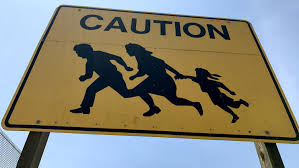
El grupo está formado por quince personas: cuatro mujeres y once hombres. La más joven tiene probablemente quince años (y tal vez está embarazada) y el mayor es un hombre que tiene más de sesenta años.
Hoy es un buen día en muchos sentidos. No hace demasiado frío. No tenemos hambre ni sed. Somos un grupo amistoso que se acerca a su destino.
El terreno es irregular, con agujeros por todas partes. Parecen cráteres llenos de hojas secas. Sería difícil correr en la oscuridad. Pero el paisaje se vuelve más verde o menos árido.
Nuestra buena suerte se acaba cuando aparece un helicóptero sobre nuestras cabezas. Alguien grita sumamente asustado: “¡La migra, la migra!” De repente, nos dispersamos para escondernos entre los arbustos y detrás de los árboles. El anciano deja caer algo y yo lo recojo justo antes de esconderme en un profundo agujero del suelo. Cubro todo mi cuerpo con hojas secas. Oímos vehículos acercándose y perros ladrando. Me quedo quieto bajo las hojas en mi escondite.
Mi corazón late tan fuerte que temo que los agentes de Migración puedan oírlo. Me siento como un avestruz escondido bajo tierra con los ojos cerrados. Entonces oigo a dos agentes hablando entre sí. Están tan cerca de mí que su perro empieza a lamerme la nariz y estoy a punto de estornudar. Entonces alguien los llama y se marchan.
Cuando se calma el alboroto, soy el primero en aparecer. No veo a nadie más a mi alrededor y tengo que decidir qué hacer. No quiero que me arresten y acabar de nuevo en Tijuana. Me siento desesperado y, por un momento, incluso pienso en llamar a la migra para que vengan a buscarme. Estoy a punto de llorar, lleno de frustración, cuando oigo a alguien silbar. La felicidad vuelve a mi alma cuando vuelvo a ver a Juan. Vuelven a aparecer uno por uno. Al final, solo faltan seis personas.
Entonces, le di al viejito lo que se le había caído: un billete de quinientos pesos mexicanos. El salario de tres días de trabajo para un obrero urbano, o de quince días para él (probablemente un trabajador agrícola). Me sonríe y me abraza, mostrándome toda su gratitud.
El 15 de octubre de 1977 llegamos a Los Ángeles alrededor de la medianoche. Nos dejaron en North Hollywood, a solo unas cuadras de la casa de mi hermano.
Antes de irse con su futura suegra y su hija, Juan vino a despedirse y desearme buena suerte.
A veces los traficantes son capturados y enviados a prisión, acusados de secuestro, detención ilegal, tráfico de personas, etc. Estoy seguro de que algunos de ellos son unos cabrones sin escrúpulos. Pero nosotros hacemos un acuerdo verbal. Les pedimos un servicio y les pagamos por ello; cuando hacen bien su trabajo y no hay maltrato humano, en mi opinión, no están cometiendo ningún delito. (Excepto por lo que supongo que pasó entre Juan y la chica). En cualquier caso, algunos tenemos suerte y llegamos sanos y salvos.
Nunca volví a reclamar mi maleta ni mis botas, porque quería empezar de nuevo. Más tarde supe que el trayecto de Tijuana a Los Ángeles tarda tres horas. A mí me llevó tres días atravesar las montañas.
Mi hermano vino a recogerme a las 5:30 de la mañana. A las 6:30 ya estábamos trabajando duro en la construcción de un edificio de apartamentos. Alrededor del mediodía, mi hermano fue a traer comida. Mientras lo esperaba, un americano se acercó y empezó a hablarme, pero yo no entendía nada de lo que me decía. Le dije: “Lo siento, no hablo inglés” y se marchó.
Inmediatamente me arrepentí y me prometí no repetir esa frase.
A la semana siguiente, me matriculé en clases de inglés por la noche. También prometí trabajar duro y ahorrar dinero para traer a mi esposa y a mi bebé lo antes posible.
Pero bajo ninguna circunstancia cruzarán las montañas.
Edmundo Barraza
Visalia, CA.
Septiembre-2010

Pending 1-15079426771
01-17-2026

 Accomplished Ignorant — Short Stories And Other Things